
Welcome to the Grand Welcome Hilton Head Island Blog
Welcome to our new blog for Hilton Head Island vacation rental owners and guests.
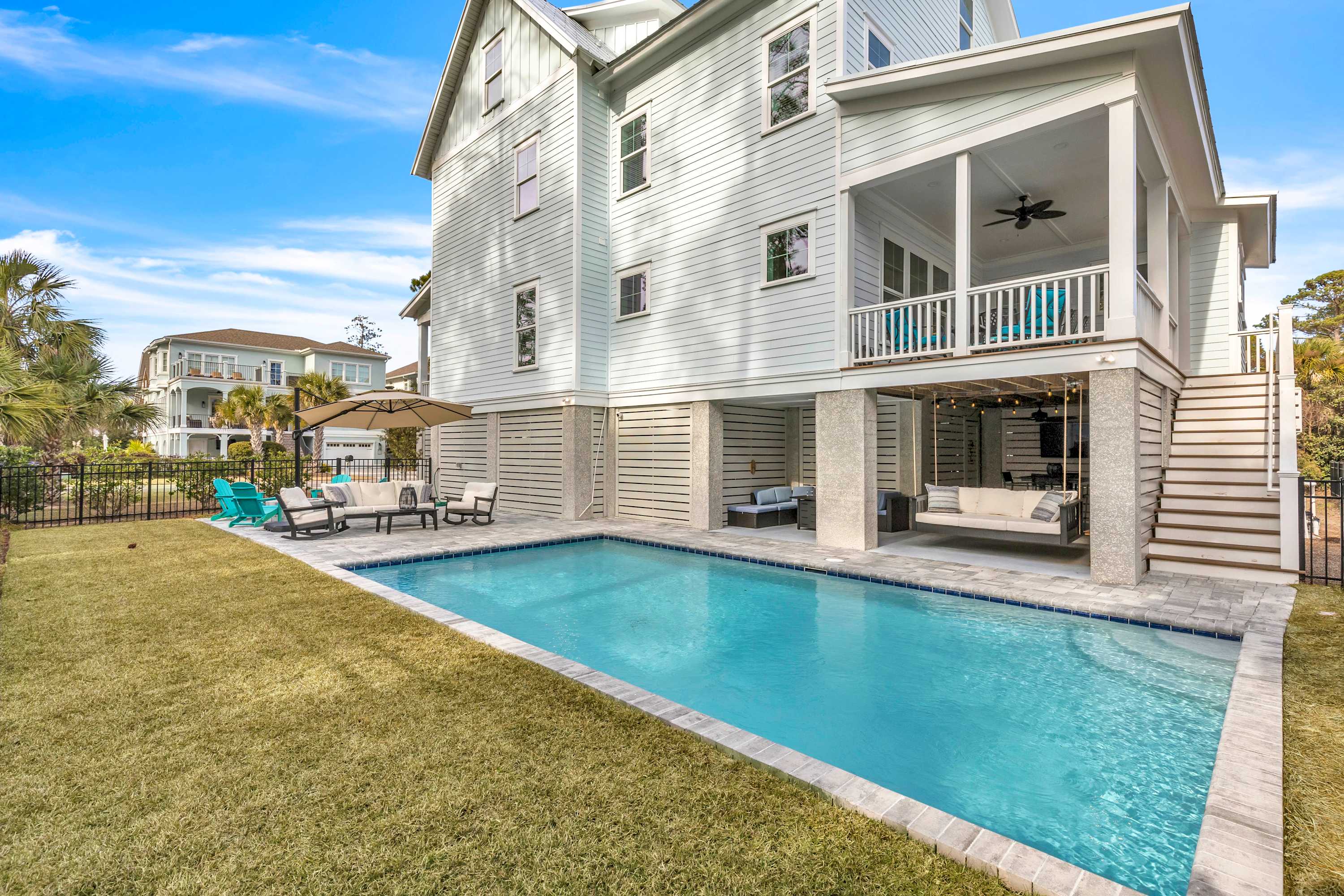
Owning a Hilton Head Island vacation rental involves more than publishing an Airbnb or Vrbo listing. The Town requires permits and operating standards, private communities may add their own rules, and coastal conditions create a maintenance rhythm that is different from an inland home.
This guide gives owners a practical starting point for evaluating a property and a management plan. It is not legal or tax advice. Rules can change, so confirm the current requirements for your address with the Town and your property owners association before advertising or accepting a stay.
Information reviewed against Town of Hilton Head Island sources on August 1, 2026.
Start with the property, not the listing
Before estimating revenue or choosing furnishings, confirm three separate layers:
- Town requirements. The property needs a current Town short-term rental permit and business license.
- Community requirements. Sea Pines, Palmetto Dunes, Forest Beach, Shelter Cove, and other communities may have covenants, access procedures, parking rules, or rental restrictions beyond Town code.
- Property readiness. The approved bedroom count, parking layout, safety equipment, pool or hot-tub notices, and guest information must match how the home is advertised and operated.
This order matters. A beautiful listing cannot solve a licensing, site-plan, or HOA conflict discovered after bookings begin.
Understand the 2026 permit cycle
The Town's updated short-term rental rules took effect May 1, 2026. The annual permit period now runs from May 1 through April 30, aligning with the business-license renewal period. A permit is required in addition to the business license; one does not replace the other.
The Town also requires the permit number and approved operating information to appear in advertising. Owners should keep the bedroom count, maximum vehicle count, and other listing details consistent across Airbnb, Vrbo, direct-booking pages, and printed guest materials.
For a purchase, do not assume the seller's setup automatically carries over. Build a pre-closing checklist that verifies the property's current permit status, zoning or community restrictions, approved site plan, open citations, and the steps required after ownership changes.
Build parking, trash, and quiet hours into guest operations
Hilton Head's short-term rental program treats neighborhood operations as an owner responsibility, not merely a line in the house rules.
- Quiet hours are 10 p.m. to 7 a.m. Town noise rules still apply at all times.
- Parking must use approved improved spaces. Guests should not park on grass, pine straw, or off-site in the street. The updated ordinance limits exterior parking to no more than six approved spaces.
- Trash needs a visible operating plan. Guests need pickup instructions, containers should be screened from the street, and curb placement and removal must follow the Town's timing rules.
- A responsible contact must be reachable. The owner or short-term rental agent must be available by phone and capable of taking responsible action within one hour of a complaint.
A useful manager should be able to explain how these rules become pre-arrival messages, in-home signage, after-hours response procedures, and documented follow-up—not simply promise “24/7 service.”
Treat fire safety as an operating system
The Town's short-term rental fire-safety requirements include working smoke and carbon-monoxide alarms, a charged fire extinguisher, clear escape routes, and a street-visible address. Additional 2026 requirements apply to specific properties and equipment:
- Short-term rentals of 3,600 square feet or more without an existing suppression system require a monitored fire-alarm system meeting the Town's criteria.
- Properties using propane need an appropriate combustible-gas detector.
- Exterior gas grills need an automatic shutoff timer of no more than 60 minutes.
- Existing residential sprinkler systems must remain operable and be inspected as required.
Owners should keep inspection records, equipment replacement dates, and photos in the property file. The operational question is not only whether equipment existed on permit day, but whether it remains ready between stays.
Plan for island property care
Salt air, humidity, sand, storms, and heavy seasonal use affect coastal homes in ways guests may never see. A Hilton Head maintenance plan should define who checks:
- HVAC filters, condensate lines, and indoor humidity;
- exterior metal, locks, doors, and windows for salt-related wear;
- decks, stairs, railings, outdoor showers, and lighting;
- roofs, drainage, screens, and landscaping before and after major weather;
- pools, hot tubs, grills, and other guest-facing equipment;
- owner closets, linens, supplies, and damage after each turnover.
Ask for the inspection standard and escalation path in writing. “We inspect the home” is too vague unless the agreement says when inspections occur, what is documented, who can authorize work, and how the owner is informed.
Questions to ask a Hilton Head property manager
Use these questions when comparing self-management with a professional service:
- Who is the named after-hours contact, and how is a one-hour response documented?
- How do you keep permit, parking, bedroom, and vehicle information consistent across every listing channel?
- What changes when a home is inside a private community with separate access and rental rules?
- What does a turnover inspection cover beyond cleaning?
- How do you prepare homes and communicate with owners before and after tropical weather?
- Who tracks permit and business-license renewal dates?
- Which taxes are collected by a booking platform, and which filings remain the owner's responsibility?
- How are maintenance approvals, invoices, and completion photos shared?
The best answer is a clear workflow with accountable people—not a revenue guarantee.
A practical owner checklist
Before the first booking:
- verify Town permit and business-license requirements for the exact address;
- review HOA, plantation, condominium, and deed restrictions;
- reconcile approved bedrooms, occupancy, parking, and listing details;
- complete required fire and life-safety work;
- document the local contact and complaint-response process;
- confirm tax registration and filing responsibility;
- establish cleaning, inspection, maintenance, and storm procedures;
- review insurance with an agent familiar with short-term rentals.
If you want help turning those obligations into a day-to-day operating plan, review our Hilton Head Island property management services or talk with the local team. You can also request a vacation rental income estimate after confirming that the property can be operated as intended.
Official Hilton Head Island resources
- Town short-term rental permits and licenses
- Town short-term rental permit requirements
- Town short-term rental fire safety
- Town announcement describing the rules effective May 1, 2026
- Town visitor guidance for noise, parking, and trash
Because requirements are property-specific and subject to change, use these links as the source of truth and contact the Town for an official determination.
Ready for full-service management?
Talk to Grand Welcome Hilton Head